
Domestic Violence Awareness Month: Recognizing Abuse, Supporting Survivors, Building Safe Homes
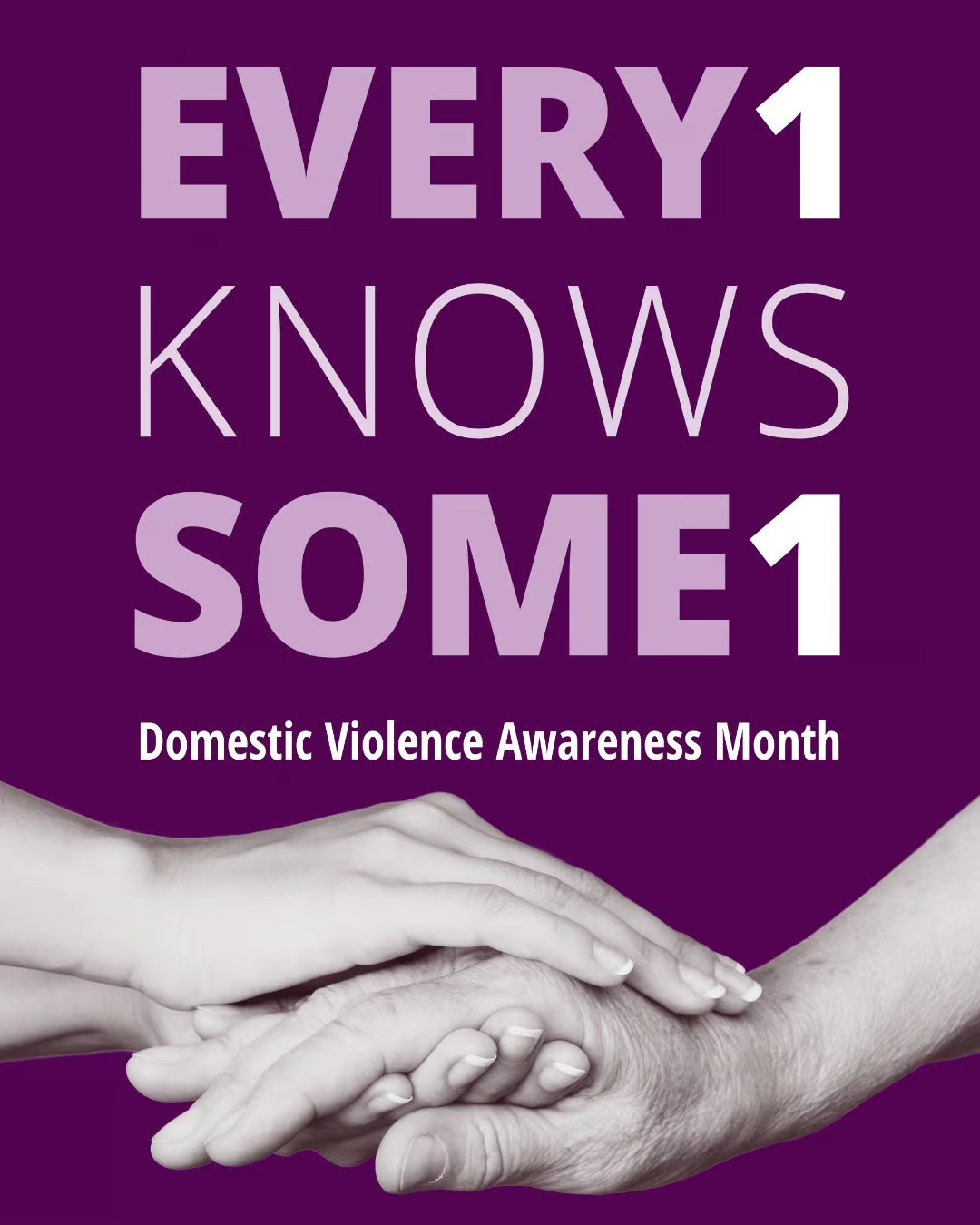
Today is October 1, the first day of Domestic Violence Awareness Month (DVAM). A time to recognize the experiences of survivors, raise awareness about the many forms domestic violence can take, and to encourage action to ensure that everyone has the support they need to feel safe at home.
Recognizing domestic violence is an important first step. Supporting survivors means believing them, respecting their choices, helping them identify options, and creating communities where asking for help is met with compassion rather than judgment. Everyone deserves a safe home. Everyone deserves to live free from violence and abuse.
How do you know if you—or someone you know—may be experiencing domestic violence?
Domestic violence is not limited to physical violence. It can include emotional and psychological abuse, threats, intimidation, stalking, sexual violence, financial abuse, and controlling behaviors. Sometimes the warning signs are difficult to recognize, especially when abuse develops gradually or is hidden behind behaviors that may initially look like love, concern, or protection.
You may be experiencing abuse if a partner or family member:
- Frequently insults, humiliates, threatens, or intimidates you.
- Controls where you go, who you see, what you wear, or how you communicate with others.
- Monitors your phone, social media, location, or other communications.
- Controls your access to money, employment, transportation, housing, or other resources.
- Prevents you from seeing friends, family, or other sources of support.
- Pressures or forces you into sexual activity.
- Threatens to harm you, your children, pets, family members, or themselves.
- Damages property or uses weapons to frighten or control you.
- Physically hurts you or threatens physical violence.
- Makes you feel that you must constantly change your behavior to avoid their anger or punishment.
You do not have to wait until physical violence occurs to seek help. If someone’s behavior is making you feel afraid, controlled, isolated, or unsafe, you can reach out for support.
Help is Available
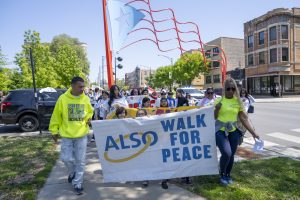
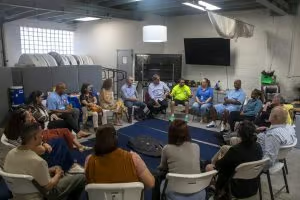
At the Alliance of Local Service Organizations (ALSO), we believe that Safe Homes create Safe Streets. Our Safe Homes Domestic Violence Program provides community-based, survivor- centered support to people experiencing domestic violence on Chicago’s Northwest Side. ALSO offers crisis intervention, advocacy, individualized safety planning, emotional support, support groups, systems navigation, legal support, and referrals to access mental health supports and other services. Our approach is trauma-informed, community-responsive, and grounded in the belief that survivors are the experts in their own lives.
You do not have to figure everything out before reaching out. You do not have to have a police report. And you do not have to decide today whether to leave a relationship.
If you or someone you know is experiencing domestic violence, ALSO is here to listen, help you explore your options, and connect you with support. Call ALSO’s 24/7 Domestic Violence Hotline at 773-245-1406 or email [email protected] to connect with our team.
You can also contact the Illinois Domestic Violence Hotline (text or call) at 1-877-863-6338, which provides free, confidential support in over 240 languages, plus information and referrals, 24 hours a day. If you are in immediate danger, call 911.